Real estate strategy is often the "hidden balance sheet" that determines whether a brand can scale rapidly or weather a long-term recession. To help your readers navigate this, I have integrated natural interlinks into your article, mapping them to your topical cluster.
🔑 Key Takeaways: Restaurant Real Estate Strategy
🍔 Ownership vs. Leasing dictates the growth engine
Asset-heavy models provide stability and hidden property value, while asset-light models prioritize rapid unit expansion and higher returns on invested capital.
💡 McDonald’s changed the game by becoming a landlord
By controlling the land and leasing it to franchisees, brands can create a secondary, highly stable income stream that is less volatile than daily food sales.
📊 Valuation multiples shift based on the asset mix
Investors often pay a premium for asset-light growth, but asset-heavy companies offer a "margin of safety" through tangible property holdings.
🏆 Real estate strategy is a tool for risk management
Whether through sale-leasebacks or strategic site selection, how a company handles its physical footprint determines its flexibility during market shifts.
Restaurant real estate strategy shapes how a brand grows, how much risk it takes, and what kind of returns investors can expect over time. The choice between owning locations and leasing them is one of the most important decisions in the business model for restaurant companies.
This guide explains asset-light and asset-heavy approaches, compares their strengths and weaknesses, and shows how they affect valuation, risk, and long-term performance for restaurant investors.
What Is Asset-Light vs. Asset-Heavy in Restaurants?
In simple terms, restaurant companies sit on a spectrum between two real estate strategies:
- Asset-heavy: The company owns a large share of its land and buildings.
- Asset-light: The company leases most locations or lets franchisees handle real estate.
In an asset-heavy model, real estate is a core part of the business. The company acts as both restaurant operator and landlord. Property sits on the balance sheet and can grow in value over time.
In an asset-light model, the company focuses on running restaurants or collecting franchise fees. It uses leases for most sites so it does not tie up as much capital in land and buildings.
Most large systems blend both ideas. They might own some key sites in prime locations and lease the rest, or let franchisees handle most real estate while keeping tight control over the brand.
How Ownership Works in an Asset-Heavy Model
When a restaurant company owns its locations, it usually buys:
These assets sit on the balance sheet as property. Over time, they are depreciated for accounting, even if market value rises. The company must also handle taxes, insurance, and maintenance.
In an asset-heavy setup, the company often:
- Charges rent to franchisees who operate the restaurants.
- Sets long-term lease terms with built-in rent increases.
- Keeps strong control over site layout, remodel timing, and use.
This structure creates a second source of income. The operating business earns profit from food sales, while the real estate side earns rent and captures property appreciation.
How Leasing Works in an Asset-Light Model
In an asset-light model, the restaurant company does not own much property. Instead, it leases most sites from third-party landlords. Franchisees may also sign leases directly, with the brand only providing guidelines.
Common traits of asset-light leasing:
- Lower upfront capital for each new location.
- Long-term lease agreements with fixed and variable rent.
- Lease costs recorded as operating expenses over time.
This approach lets companies expand into new markets without huge real estate spending. They can open, test, and sometimes exit locations faster than if they owned the land. This is particularly relevant for brands exploring ghost kitchens and virtual brands, which require significantly less permanent commitment.
McDonald’s and the Real Estate-Driven Approach
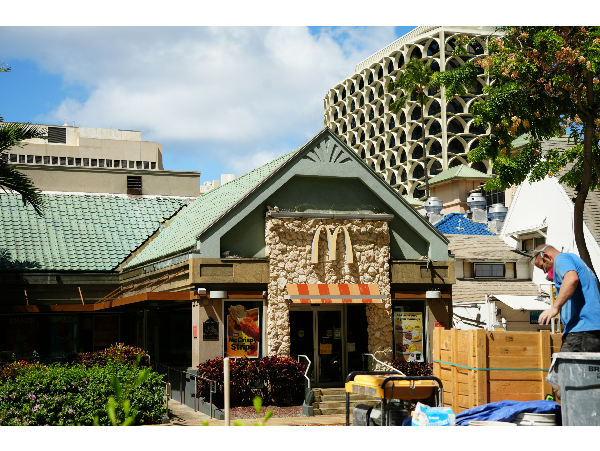
McDonald’s has become a classic example of a real estate-driven strategy. The company is widely known for owning or controlling much of the land under its restaurants, while many of the locations are run by franchisees.
In this model:
- The company acts as landlord to many franchise operators.
- Franchisees pay rent along with royalties based on sales.
- Rent terms are designed to produce strong, stable cash flow.
Real estate plays a major role in the company’s value. The land and buildings can appreciate over time, while rent streams help smooth earnings during ups and downs in restaurant traffic.
Asset-Heavy vs. Asset-Light: Side-by-Side
It helps to compare the two strategies in a simple way.
| Feature |
Asset-Heavy (Own Locations) |
Asset-Light (Lease / Franchise-Focus) |
| Upfront capital per unit |
High for land and buildings |
Lower; main cost is build-out and fees |
| Balance sheet structure |
Large property base, more tangible assets |
Smaller property base, leaner asset mix |
| Flexibility to close/move |
Harder; must sell or repurpose property |
Easier at lease end or with negotiations |
| Cash flow stability |
Supported by rent and property value |
Tied more directly to restaurant operations |
| Growth speed |
Slower, more capital-limited |
Faster, especially with franchising |
How Real Estate Strategy Changes Risk
Real estate strategy shifts what kind of risk a restaurant company carries, even if total risk feels similar at first glance.
Risk in Asset-Heavy Models
Owning real estate brings risk from property value swings in each region. However, it also reduces other risks by providing more control over store upgrades and the ability to sell or refinance property if needed.
Risk in Asset-Light Models
Leasing brings risk from rising rents and lease escalators over time. But it also cuts other risks, allowing a brand to test more sites with lower permanent commitment. Companies often mitigate this by using site selection algorithms to ensure the highest probability of success before signing a lease.
Valuation: How the Market Prices Each Model
Real estate strategy can change how real estate strategy impacts restaurant stock valuations, even when sales look similar.
Common patterns include:
- Asset-heavy companies sometimes trade at lower earnings multiples because they grow more slowly.
- Asset-light companies often trade at higher multiples if investors believe they can grow rapidly with less capital.
Geography, Market Cycles, and Real Estate Strategy
Location always matters in restaurants, but the effect on risk changes with the real estate model. Investors often debate urban vs. suburban expansion and which drives better performance under different ownership models.
Investors should look at where a brand’s sites are clustered and how that mix matches future population and income trends. A company that owns a lot of land in areas expected to grow can have an edge that is not fully visible in current earnings.
How to Analyze a Restaurant’s Real Estate Strategy
If you want to understand a restaurant stock’s real estate profile, you can use a simple checklist:
- Check owned vs. leased mix: Look for the percentage of locations owned or leased.
- Review the balance sheet: See how large the property and equipment line is.
- Read management’s comments: Are there plans for sale-leasebacks or spin-offs?
- Examine growth plans: Is the company expanding into non-traditional locations like airports or colleges?
Final Thoughts
Over long periods, a restaurant’s real estate strategy influences how fast it can grow, how stable its cash flows are, and how much hidden value sits on the balance sheet. As an investor, you are not just buying this year’s earnings. You are buying a mix of brand, operations, and property.
🏗️ Master the Terrain: Prime Restaurant Real Estate Insights
Unlock the hidden value in your portfolio by mastering the "where" and "how" of restaurant expansion. From high-traffic non-traditional sites to the algorithmic precision of modern site selection, explore how physical footprints dictate fiscal futures.
📍 Strategic Growth & Real Estate in Restaurant Businesses
Market Intel: In an era of shifting demographics, the transition from urban centers to optimized suburban drive-thrus is redefining long-term equity. Use the links above to deep dive into the data driving these shifts.












Real estate strategy is often the "hidden balance sheet" that determines whether a brand can scale rapidly or weather a long-term recession. To help your readers navigate this, I have integrated natural interlinks into your article, mapping them to your topical cluster.
🔑 Key Takeaways: Restaurant Real Estate Strategy
🍔 Ownership vs. Leasing dictates the growth engine
Asset-heavy models provide stability and hidden property value, while asset-light models prioritize rapid unit expansion and higher returns on invested capital.💡 McDonald’s changed the game by becoming a landlord
By controlling the land and leasing it to franchisees, brands can create a secondary, highly stable income stream that is less volatile than daily food sales.📊 Valuation multiples shift based on the asset mix
Investors often pay a premium for asset-light growth, but asset-heavy companies offer a "margin of safety" through tangible property holdings.🏆 Real estate strategy is a tool for risk management
Whether through sale-leasebacks or strategic site selection, how a company handles its physical footprint determines its flexibility during market shifts.Restaurant real estate strategy shapes how a brand grows, how much risk it takes, and what kind of returns investors can expect over time. The choice between owning locations and leasing them is one of the most important decisions in the business model for restaurant companies.
This guide explains asset-light and asset-heavy approaches, compares their strengths and weaknesses, and shows how they affect valuation, risk, and long-term performance for restaurant investors.
What Is Asset-Light vs. Asset-Heavy in Restaurants?
In simple terms, restaurant companies sit on a spectrum between two real estate strategies:
In an asset-heavy model, real estate is a core part of the business. The company acts as both restaurant operator and landlord. Property sits on the balance sheet and can grow in value over time.
In an asset-light model, the company focuses on running restaurants or collecting franchise fees. It uses leases for most sites so it does not tie up as much capital in land and buildings.
Most large systems blend both ideas. They might own some key sites in prime locations and lease the rest, or let franchisees handle most real estate while keeping tight control over the brand.
How Ownership Works in an Asset-Heavy Model
When a restaurant company owns its locations, it usually buys:
These assets sit on the balance sheet as property. Over time, they are depreciated for accounting, even if market value rises. The company must also handle taxes, insurance, and maintenance.
In an asset-heavy setup, the company often:
This structure creates a second source of income. The operating business earns profit from food sales, while the real estate side earns rent and captures property appreciation.
How Leasing Works in an Asset-Light Model
In an asset-light model, the restaurant company does not own much property. Instead, it leases most sites from third-party landlords. Franchisees may also sign leases directly, with the brand only providing guidelines.
Common traits of asset-light leasing:
This approach lets companies expand into new markets without huge real estate spending. They can open, test, and sometimes exit locations faster than if they owned the land. This is particularly relevant for brands exploring ghost kitchens and virtual brands, which require significantly less permanent commitment.
McDonald’s and the Real Estate-Driven Approach
McDonald’s has become a classic example of a real estate-driven strategy. The company is widely known for owning or controlling much of the land under its restaurants, while many of the locations are run by franchisees.
In this model:
Real estate plays a major role in the company’s value. The land and buildings can appreciate over time, while rent streams help smooth earnings during ups and downs in restaurant traffic.
Asset-Heavy vs. Asset-Light: Side-by-Side
It helps to compare the two strategies in a simple way.
How Real Estate Strategy Changes Risk
Real estate strategy shifts what kind of risk a restaurant company carries, even if total risk feels similar at first glance.
Risk in Asset-Heavy Models
Owning real estate brings risk from property value swings in each region. However, it also reduces other risks by providing more control over store upgrades and the ability to sell or refinance property if needed.
Risk in Asset-Light Models
Leasing brings risk from rising rents and lease escalators over time. But it also cuts other risks, allowing a brand to test more sites with lower permanent commitment. Companies often mitigate this by using site selection algorithms to ensure the highest probability of success before signing a lease.
Valuation: How the Market Prices Each Model
Real estate strategy can change how real estate strategy impacts restaurant stock valuations, even when sales look similar.
Common patterns include:
Geography, Market Cycles, and Real Estate Strategy
Location always matters in restaurants, but the effect on risk changes with the real estate model. Investors often debate urban vs. suburban expansion and which drives better performance under different ownership models.
Investors should look at where a brand’s sites are clustered and how that mix matches future population and income trends. A company that owns a lot of land in areas expected to grow can have an edge that is not fully visible in current earnings.
How to Analyze a Restaurant’s Real Estate Strategy
If you want to understand a restaurant stock’s real estate profile, you can use a simple checklist:
Final Thoughts
Over long periods, a restaurant’s real estate strategy influences how fast it can grow, how stable its cash flows are, and how much hidden value sits on the balance sheet. As an investor, you are not just buying this year’s earnings. You are buying a mix of brand, operations, and property.
🏗️ Master the Terrain: Prime Restaurant Real Estate Insights
Unlock the hidden value in your portfolio by mastering the "where" and "how" of restaurant expansion. From high-traffic non-traditional sites to the algorithmic precision of modern site selection, explore how physical footprints dictate fiscal futures.
📍 Strategic Growth & Real Estate in Restaurant Businesses