🔑 Key Takeaways
🍔 Convenience and Technology Drive Expansion
Franchise growth thrives on convenience and digital innovation. Mobile apps, drive‑thrus, and automation tools make dining faster and easier. Brands using AI and predictive systems improve speed and consistency, helping them expand into more neighborhoods and markets.
📈 Fastest‑Growing Segments Reflect Changing Tastes
Chicken, coffee, and health‑focused fast casual restaurants lead the pack. These segments benefit from affordable ingredients, repeat visits, and wellness trends. Some chains even test new recipes in virtual reality before building kitchens—an unexpected edge in efficiency.
🏗️ New Formats and Smart Real Estate Fuel Growth
Drive‑thru‑only units, ghost kitchens, and small footprints reduce costs and increase flexibility. Multi‑brand co‑tenancy allows shared spaces and staff. These models help franchises reach new customers while keeping operations lean and scalable.
🌍 Sustainability and Global Expansion Strengthen the Future
Eco‑friendly packaging, local sourcing, and carbon tracking attract modern diners. Franchises expand into Asia, the Middle East, and the U.S. with localized menus. One lesser‑known fact: some brands now measure the carbon footprint of individual menu items to guide customer choices.
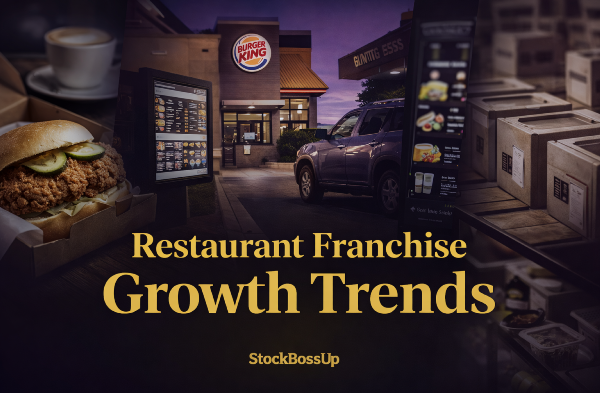
Restaurant Franchise Growth Trends
Restaurant franchises keep expanding across the country, yet many investors still struggle to understand why some brands grow faster than others. The challenge is simple: growth looks strong on the surface, but the real drivers sit deeper inside shifting consumer habits, new technology, and changing real estate patterns. The answer becomes clear only after looking at how these forces work together, but that clarity doesn’t arrive until the end of the story.
Franchises continue to shape the way people eat. They offer familiar menus and predictable service, which helps them stay steady even when the economy moves in different directions.
“Restaurant franchises play a large role in today’s food landscape. They offer familiar menus, predictable service, and steady brand identity.”
People also spend more on food away from home than ever before. Younger generations want fast meals, simple ordering, and flexible pickup options. These shifts push franchises to open new locations and test new formats. Many brands also expand into global markets where demand continues to rise.
The following sections explore the forces shaping franchise growth today and reveal why the industry keeps moving forward.
Why Are Big Economic Shifts Reshaping Franchise Growth?
Franchise expansion is tied to large social and economic changes. These shifts influence where restaurants open, how they operate, and how customers interact with them.
People want convenience more than anything. Busy schedules make drive‑thrus, mobile apps, and express units more appealing than cooking at home.
“People want food that fits their busy schedules. Drive‑thru lines, mobile apps, and express restaurants make eating out easier than cooking.”
Spending on food away from home keeps rising. Even when inflation increases, customers still choose restaurants for quick meals. This steady demand gives franchise owners confidence to expand.
Hybrid formats also play a role. Many brands mix fast casual dining with drive‑thrus and digital ordering. This model works well because it fits many types of customers.
Labor shortages push restaurants toward automation. Automated fryers, AI ordering systems, and digital scheduling tools help fill staffing gaps. Real estate trends also matter. Developers now build smaller units with room for drive‑thru lanes, which lowers costs and speeds up expansion.
Read More: The Top Restaurant Stocks
Key Drivers Behind Franchise Growth
| Growth Driver |
Impact on Franchises |
| Convenience demand |
More drive‑thrus and mobile‑first formats |
| Higher food‑away‑from‑home spending |
Stronger revenue and faster expansion |
| Automation tools |
Lower labor needs and improved speed |
| New real estate options |
Cheaper builds and wider market reach |
How Is Technology Changing the Way Franchises Expand?
Technology shapes nearly every part of the restaurant experience. It improves speed, accuracy, and customer satisfaction.
Mobile ordering and loyalty apps keep customers coming back. Brands with strong digital programs often outperform others. Domino’s built much of its success on digital ordering systems, and many other brands follow the same path.
AI‑powered kitchen systems help restaurants prepare food before orders arrive. Sweetgreen uses its Infinite Kitchen to automate salad assembly. These tools reduce wait times and improve consistency.
Self‑service kiosks let customers customize meals and reduce labor needs. Robotic tools handle repetitive tasks like frying or dispensing drinks. Delivery optimization software helps drivers choose the best route, keeping food fresh and reducing delays.
Integrated POS systems track sales, supply orders, labor scheduling, and demand. These insights help owners plan better and reduce waste.
A lesser‑known detail is that fast‑food drive‑thrus can boost speed by more than 20% when AI suggests common add‑on items. This small change can raise average order value and improve throughput.
Leading Tech Adopters
- Sweetgreen Infinite Kitchen
- Chipotle Chipotlanes
- Domino’s GPS tracking
- Panera AI drive‑thru
- Wingstop’s digital‑focused model
Which Franchise Segments Are Growing the Fastest?
Some restaurant categories grow much faster than others. These segments benefit from strong demand, simple menus, and efficient operations.
Health‑focused fast casual brands attract customers who want cleaner ingredients and simple choices. Chicken‑focused restaurants grow quickly because chicken is affordable and easy to prepare. Coffee and beverage chains expand due to strong daily repeat visits. Dessert and snack shops thrive on social media buzz. Plant‑forward concepts grow as more diners seek sustainable meals.
Growing franchise examples include Dave’s Hot Chicken, Raising Cane’s, Dutch Bros Coffee, Crumbl Cookies, Paris Baguette, Sweetgreen, Shake Shack, Wingstop, Popeyes, and Tropical Smoothie Café.
One unique detail is that some fast casual chains test recipes in virtual reality before building new kitchens. This helps them design efficient layouts without costly trial and error.
Fastest‑Growing Franchise Segments
| Segment |
Growth Reason |
| Chicken concepts |
High demand and low food cost |
| Coffee chains |
Strong daily repeat visits |
| Snack/dessert shops |
Social media popularity |
| Health‑focused fast casual |
Rising interest in wellness |
| Plant‑forward restaurants |
Interest in sustainable eating |
How Are Consumer Preferences Shifting?
Customer behavior changes quickly, and franchises must adapt to stay competitive.
Customization matters more than ever. People want meals built their way, with flexible menus and many options. Premium convenience also drives choices. Customers want good food fast, without sacrificing quality.
Global flavors continue to rise. Diners look for meals inspired by Asia, Latin America, and the Middle East. Younger adults spend more on dining out and enjoy trying new foods. They also prefer digital‑friendly restaurants with easy ordering tools.
Wellness and clean‑label ingredients matter more now than in past years. Simple menus and local sourcing help brands stand out.
Examples of brands meeting these demands include MOD Pizza, CAVA, Noodles & Company, Jollibee, and Kura Revolving Sushi Bar.
Why Are New Restaurant Formats Fueling Expansion?
New restaurant formats help franchises grow faster and reach more customers.
Drive‑thru‑only locations remove the need for dining rooms. These units serve customers through one or two lanes and operate with fewer staff. Small‑footprint units reduce build‑out costs and fit into more real estate options.
Digital pickup solutions, such as shelves and lockers, help customers grab food quickly. Ghost kitchens allow brands to enter new markets with low risk. Multi‑brand co‑tenancy lets two or more brands share one space, lowering rent and staffing costs.
Examples include Jack in the Box AI‑designed units, Taco Bell Go Mobile, Chick‑fil‑A Express, and Burger King remodels.
New Restaurant Format Advantages
| Format Type |
Benefit |
| Drive‑thru‑only |
Fast service, lower costs |
| Small footprint |
Cheaper build‑out |
| Pickup lockers |
Improved speed and accuracy |
| Ghost kitchen |
Low market‑entry cost |
| Co‑tenancy |
Shared expenses |
What Investment Trends Are Shaping Franchise Growth?
Investment trends influence how quickly franchises expand.
Private equity groups invest in franchises because they produce predictable cash flow. Lower‑barrier franchise models attract first‑time owners. Multi‑unit ownership continues to rise as operators buy several locations to improve earnings.
Financing trends also matter. Loans from the Small Business Administration remain a key source of funding. Population growth in Sun Belt states makes these regions attractive for expansion.
Why Are More Franchises Expanding Internationally?
International markets offer major growth opportunities.
American brands expand into Asia and the Middle East, where demand for familiar food concepts continues to rise. Franchises adjust menus to fit local tastes, which increases acceptance. At the same time, global brands enter the U.S. and grow quickly by offering new flavors.
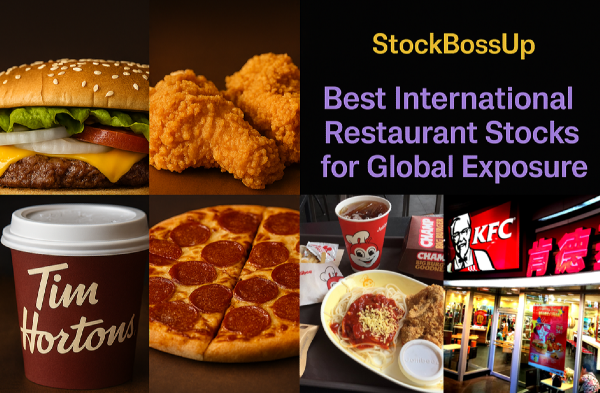
Examples include Tim Hortons China, Popeyes India, Jollibee USA, Shake Shack Middle East, and KFC Africa.
International Growth Highlights
| Brand |
Region |
Reason for Expansion |
| Tim Hortons |
China |
Rising demand for coffee |
| Popeyes |
India |
Growth in fried chicken |
| Shake Shack |
Middle East |
Strong premium burger market |
| Jollibee |
USA |
Interest in global flavors |
What Challenges Slow Down Franchise Expansion?
Even with strong demand, franchises face several challenges.
Labor shortages make it hard to find and keep workers. This raises wages and operating costs. Supply chain problems cause ingredient shortages or price swings. Maintaining brand standards across many locations is difficult. Construction costs remain high due to rising material prices. Competition from independent restaurants and virtual brands also increases.
These challenges force franchises to innovate and find new ways to operate efficiently.
How Are Franchises Using Sustainability to Stay Competitive?
Sustainability plays a growing role in franchise strategy.
Many brands reduce single‑use plastics and offer compostable packaging. Some track carbon output on menus. Just Salad uses carbon labels to show environmental impact. Local sourcing helps franchises support regional farms and offer fresher produce.
Energy‑efficient equipment lowers costs and reduces emissions. Brands like Sweetgreen and Starbucks continue to invest in greener store designs.
One surprising detail is that some franchises now track the carbon footprint of individual menu items to help customers make informed choices.
What Does the Future of Franchise Growth Look Like?
The future of restaurant franchise growth remains strong.
More digital tools will shape operations. AI, automation, and data analytics will help restaurants forecast orders and reduce waste. Personalized meals will become more common as apps and kiosks tailor options to each customer.
Global flavors will continue to rise. Better site selection tools will help franchises choose new locations with more accuracy. Experience‑focused dining will grow, with open kitchens and interactive menus becoming more common.
“The franchise model remains a powerful force in the restaurant industry, with growth expected to continue well into the future.”
Conclusion
Restaurant franchise growth continues because customers want convenience, speed, and consistent quality. Technology, new formats, and global expansion help brands reach more people. Challenges remain, but franchises adapt quickly with automation, smarter data tools, and flexible real estate strategies.
For investors, operators, and customers, the next few years will bring new concepts, better equipment, and more ways to enjoy meals. The industry keeps evolving, and the strongest brands will be the ones that blend innovation with reliable service.
🚀 Expand Your Edge: Elite Restaurant & Consumer Insights
Ready to dominate the sector? Our Investor Intelligence Hub is designed to help you navigate the complex world of restaurant equities with precision. From deep-dive fundamental analysis to macroeconomic strategy, explore our curated silos below to find your next big winner.
🍽️ Sector Fundamentals & Top Picks
📊 Deep-Dive Financial Analysis
🧠 Strategic Operations & Economics
🌍 Macro, Risk & Global Trends
💡 Investor Psychology & Behavioral Trends
🔍 Advanced Intelligence












🔑 Key Takeaways
🍔 Convenience and Technology Drive Expansion
Franchise growth thrives on convenience and digital innovation. Mobile apps, drive‑thrus, and automation tools make dining faster and easier. Brands using AI and predictive systems improve speed and consistency, helping them expand into more neighborhoods and markets.📈 Fastest‑Growing Segments Reflect Changing Tastes
Chicken, coffee, and health‑focused fast casual restaurants lead the pack. These segments benefit from affordable ingredients, repeat visits, and wellness trends. Some chains even test new recipes in virtual reality before building kitchens—an unexpected edge in efficiency.🏗️ New Formats and Smart Real Estate Fuel Growth
Drive‑thru‑only units, ghost kitchens, and small footprints reduce costs and increase flexibility. Multi‑brand co‑tenancy allows shared spaces and staff. These models help franchises reach new customers while keeping operations lean and scalable.🌍 Sustainability and Global Expansion Strengthen the Future
Eco‑friendly packaging, local sourcing, and carbon tracking attract modern diners. Franchises expand into Asia, the Middle East, and the U.S. with localized menus. One lesser‑known fact: some brands now measure the carbon footprint of individual menu items to guide customer choices.Restaurant Franchise Growth Trends
Restaurant franchises keep expanding across the country, yet many investors still struggle to understand why some brands grow faster than others. The challenge is simple: growth looks strong on the surface, but the real drivers sit deeper inside shifting consumer habits, new technology, and changing real estate patterns. The answer becomes clear only after looking at how these forces work together, but that clarity doesn’t arrive until the end of the story.
Franchises continue to shape the way people eat. They offer familiar menus and predictable service, which helps them stay steady even when the economy moves in different directions.
People also spend more on food away from home than ever before. Younger generations want fast meals, simple ordering, and flexible pickup options. These shifts push franchises to open new locations and test new formats. Many brands also expand into global markets where demand continues to rise.
The following sections explore the forces shaping franchise growth today and reveal why the industry keeps moving forward.
Why Are Big Economic Shifts Reshaping Franchise Growth?
Franchise expansion is tied to large social and economic changes. These shifts influence where restaurants open, how they operate, and how customers interact with them.
People want convenience more than anything. Busy schedules make drive‑thrus, mobile apps, and express units more appealing than cooking at home.
Spending on food away from home keeps rising. Even when inflation increases, customers still choose restaurants for quick meals. This steady demand gives franchise owners confidence to expand.
Hybrid formats also play a role. Many brands mix fast casual dining with drive‑thrus and digital ordering. This model works well because it fits many types of customers.
Labor shortages push restaurants toward automation. Automated fryers, AI ordering systems, and digital scheduling tools help fill staffing gaps. Real estate trends also matter. Developers now build smaller units with room for drive‑thru lanes, which lowers costs and speeds up expansion.
Key Drivers Behind Franchise Growth
How Is Technology Changing the Way Franchises Expand?
Technology shapes nearly every part of the restaurant experience. It improves speed, accuracy, and customer satisfaction.
Mobile ordering and loyalty apps keep customers coming back. Brands with strong digital programs often outperform others. Domino’s built much of its success on digital ordering systems, and many other brands follow the same path.
AI‑powered kitchen systems help restaurants prepare food before orders arrive. Sweetgreen uses its Infinite Kitchen to automate salad assembly. These tools reduce wait times and improve consistency.
Self‑service kiosks let customers customize meals and reduce labor needs. Robotic tools handle repetitive tasks like frying or dispensing drinks. Delivery optimization software helps drivers choose the best route, keeping food fresh and reducing delays.
Integrated POS systems track sales, supply orders, labor scheduling, and demand. These insights help owners plan better and reduce waste.
A lesser‑known detail is that fast‑food drive‑thrus can boost speed by more than 20% when AI suggests common add‑on items. This small change can raise average order value and improve throughput.
Leading Tech Adopters
Which Franchise Segments Are Growing the Fastest?
Some restaurant categories grow much faster than others. These segments benefit from strong demand, simple menus, and efficient operations.
Health‑focused fast casual brands attract customers who want cleaner ingredients and simple choices. Chicken‑focused restaurants grow quickly because chicken is affordable and easy to prepare. Coffee and beverage chains expand due to strong daily repeat visits. Dessert and snack shops thrive on social media buzz. Plant‑forward concepts grow as more diners seek sustainable meals.
Growing franchise examples include Dave’s Hot Chicken, Raising Cane’s, Dutch Bros Coffee, Crumbl Cookies, Paris Baguette, Sweetgreen, Shake Shack, Wingstop, Popeyes, and Tropical Smoothie Café.
One unique detail is that some fast casual chains test recipes in virtual reality before building new kitchens. This helps them design efficient layouts without costly trial and error.
Fastest‑Growing Franchise Segments
How Are Consumer Preferences Shifting?
Customer behavior changes quickly, and franchises must adapt to stay competitive.
Customization matters more than ever. People want meals built their way, with flexible menus and many options. Premium convenience also drives choices. Customers want good food fast, without sacrificing quality.
Global flavors continue to rise. Diners look for meals inspired by Asia, Latin America, and the Middle East. Younger adults spend more on dining out and enjoy trying new foods. They also prefer digital‑friendly restaurants with easy ordering tools.
Wellness and clean‑label ingredients matter more now than in past years. Simple menus and local sourcing help brands stand out.
Examples of brands meeting these demands include MOD Pizza, CAVA, Noodles & Company, Jollibee, and Kura Revolving Sushi Bar.
Why Are New Restaurant Formats Fueling Expansion?
New restaurant formats help franchises grow faster and reach more customers.
Drive‑thru‑only locations remove the need for dining rooms. These units serve customers through one or two lanes and operate with fewer staff. Small‑footprint units reduce build‑out costs and fit into more real estate options.
Digital pickup solutions, such as shelves and lockers, help customers grab food quickly. Ghost kitchens allow brands to enter new markets with low risk. Multi‑brand co‑tenancy lets two or more brands share one space, lowering rent and staffing costs.
Examples include Jack in the Box AI‑designed units, Taco Bell Go Mobile, Chick‑fil‑A Express, and Burger King remodels.
New Restaurant Format Advantages
What Investment Trends Are Shaping Franchise Growth?
Investment trends influence how quickly franchises expand.
Private equity groups invest in franchises because they produce predictable cash flow. Lower‑barrier franchise models attract first‑time owners. Multi‑unit ownership continues to rise as operators buy several locations to improve earnings.
Financing trends also matter. Loans from the Small Business Administration remain a key source of funding. Population growth in Sun Belt states makes these regions attractive for expansion.
Why Are More Franchises Expanding Internationally?
International markets offer major growth opportunities.
American brands expand into Asia and the Middle East, where demand for familiar food concepts continues to rise. Franchises adjust menus to fit local tastes, which increases acceptance. At the same time, global brands enter the U.S. and grow quickly by offering new flavors.
Examples include Tim Hortons China, Popeyes India, Jollibee USA, Shake Shack Middle East, and KFC Africa.
International Growth Highlights
What Challenges Slow Down Franchise Expansion?
Even with strong demand, franchises face several challenges.
Labor shortages make it hard to find and keep workers. This raises wages and operating costs. Supply chain problems cause ingredient shortages or price swings. Maintaining brand standards across many locations is difficult. Construction costs remain high due to rising material prices. Competition from independent restaurants and virtual brands also increases.
These challenges force franchises to innovate and find new ways to operate efficiently.
How Are Franchises Using Sustainability to Stay Competitive?
Sustainability plays a growing role in franchise strategy.
Many brands reduce single‑use plastics and offer compostable packaging. Some track carbon output on menus. Just Salad uses carbon labels to show environmental impact. Local sourcing helps franchises support regional farms and offer fresher produce.
Energy‑efficient equipment lowers costs and reduces emissions. Brands like Sweetgreen and Starbucks continue to invest in greener store designs.
One surprising detail is that some franchises now track the carbon footprint of individual menu items to help customers make informed choices.
What Does the Future of Franchise Growth Look Like?
The future of restaurant franchise growth remains strong.
More digital tools will shape operations. AI, automation, and data analytics will help restaurants forecast orders and reduce waste. Personalized meals will become more common as apps and kiosks tailor options to each customer.
Global flavors will continue to rise. Better site selection tools will help franchises choose new locations with more accuracy. Experience‑focused dining will grow, with open kitchens and interactive menus becoming more common.
Conclusion
Restaurant franchise growth continues because customers want convenience, speed, and consistent quality. Technology, new formats, and global expansion help brands reach more people. Challenges remain, but franchises adapt quickly with automation, smarter data tools, and flexible real estate strategies.
For investors, operators, and customers, the next few years will bring new concepts, better equipment, and more ways to enjoy meals. The industry keeps evolving, and the strongest brands will be the ones that blend innovation with reliable service.
🚀 Expand Your Edge: Elite Restaurant & Consumer Insights
Ready to dominate the sector? Our Investor Intelligence Hub is designed to help you navigate the complex world of restaurant equities with precision. From deep-dive fundamental analysis to macroeconomic strategy, explore our curated silos below to find your next big winner.
🍽️ Sector Fundamentals & Top Picks
📊 Deep-Dive Financial Analysis
🧠 Strategic Operations & Economics
🌍 Macro, Risk & Global Trends
💡 Investor Psychology & Behavioral Trends
🔍 Advanced Intelligence